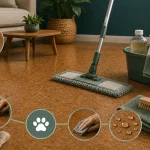
If you have been searching for a durable, waterproof, and stylish flooring option, you have probably come across the term SPC flooring. But what is SPC flooring exactly, and why is it quickly becoming one of the most popular flooring choices for both homes and commercial spaces? In this comprehensive guide, we will cover everything you need to know about SPC flooring, from its composition and manufacturing process to its benefits, types, installation, and maintenance. By the end, you will have all the information needed to decide whether SPC flooring is the right choice for your space.
What Does SPC Stand For?
SPC stands for Stone Polymer Composite (sometimes referred to as Stone Plastic Composite). It is a type of rigid core luxury vinyl flooring that has been engineered to replicate the appearance of natural materials such as wood, stone, and ceramic, but with far greater practical advantages. SPC flooring belongs to the broader family of LVT flooring, but its rigid core makes it distinctly more durable and dimensionally stable than traditional vinyl options.
How Is SPC Flooring Made?
Understanding how SPC flooring is manufactured helps explain why it performs so well under real-world conditions. The production process involves several precise and controlled stages that ensure each plank meets exact quality and durability standards.
Raw Material Mixing
The process begins by combining the raw materials, limestone powder, PVC resin, stabilizers, and plasticizers, in a high-speed mixing machine. The mixture is heated to around 125 to 130 degrees Celsius to eliminate any moisture from the materials. It is then carefully cooled inside the machine to prevent premature plasticization, which could compromise the structural integrity of the final product.
Extrusion & Calendaring Process
After mixing, the material enters an extrusion machine where precise temperature control is essential. The material passes through five zones, the first two running at approximately 200 degrees Celsius and gradually cooling through the remaining zones. Once fully plasticized, the material undergoes a calendering process, during which heated rollers compress it into a continuous sheet. The thickness and width of the sheet can be controlled with great accuracy. The surface texture, whether it mimics wood grain or stone patterns, is then embossed using engraved rollers under heat and pressure, giving the flooring its realistic appearance.
Cutting & Finishing
Once the sheet reaches the desired texture and thickness, a top coat for scratch and scuff resistance is applied. The material then passes through a drawing machine that feeds it to a precision cutter. A photoelectric switch signals the cutter to make clean, equal cuts to standard dimensions. Finally, an automatic plate-lifting machine stacks the finished planks for packaging and distribution. The result is a consistent, high-quality plank ready for installation.
Layer by Layer Structure of SPC Flooring

One of the key reasons SPC flooring performs so well is its multi-layer construction. Each layer has a specific role that contributes to the overall durability, comfort, and appearance of the flooring system.
UV Coating Layer
The topmost layer of SPC Vinyl flooring is the UV coating. This transparent protective layer shields the flooring from ultraviolet light exposure, preventing the colors and patterns beneath it from fading over time. It also serves as the first line of defence against water, spills, and stains. In spaces with abundant natural sunlight, such as open-plan living areas or commercial lobbies, the UV layer ensures the flooring maintains its original look for years.
Wear Layer
Directly beneath the UV coating is the wear layer, which is responsible for protecting the flooring from everyday wear and tear. Made with clear coatings such as aluminum oxide, this layer resists scratches, scuffs, and abrasion, making it ideal for high-traffic areas. The thickness of the wear layer is measured in mils (thousandths of an inch), and a thicker wear layer generally means a longer lifespan.
Decorative Print Layer
The decorative print layer is what gives SPC flooring its visual appeal. Using high-definition photographic printing technology, this layer can accurately replicate the look of hardwood, stone, ceramic, or any other natural material. Premium SPC products feature 3D visuals that create a highly realistic appearance, making it nearly impossible to distinguish them from genuine wood or stone at a glance.
Rigid SPC Core
The heart of what is SPC flooring lies in its rigid core. Composed of limestone powder, PVC, and stabilizers, this dense layer gives the flooring its exceptional rigidity and dimensional stability. Unlike softer vinyl flooring types, the SPC core does not expand or contract significantly with temperature changes, which is critical in environments that experience hot summers and cold winters. This layer also contributes to the overall waterproof nature of the flooring.
Underlayment / Backing Layer
The bottom layer of SPC flooring serves as its backbone. Also known as the underlayment or backing layer, it provides additional cushioning for underfoot comfort and acts as a sound insulator, reducing both impact noise and airborne noise. Many SPC planks come with a pre-attached underlayment, which simplifies installation and eliminates the need for a separate underlay. This layer is also naturally resistant to mold and mildew growth, making it suitable for moisture-prone areas.
Types of SPC Flooring
SPC flooring is available in several different formats and styles, allowing homeowners and designers to choose the option that best fits their space and aesthetic preferences.
SPC Planks (Wood Look)

SPC planks are the most widely used format and are designed to mimic the look of hardwood flooring. Available in a wide range of wood species, tones, and grain patterns, these planks offer the warmth and elegance of natural wood without the associated drawbacks such as warping, cracking, or moisture damage. They are an excellent choice for living rooms, bedrooms, and offices.
SPC Tiles (Stone Look)

For those who prefer the appearance of stone or ceramic tiles, SPC tiles offer a highly convincing alternative. They replicate materials such as marble, travertine, slate, and terracotta with impressive realism. Unlike actual stone tiles, SPC tiles are warmer underfoot, lighter in weight, and much easier to install without the need for mortar or grout.
Rigid Core SPC

Rigid core SPC refers to flooring with a particularly dense and thick core layer, offering superior stability and impact resistance. This variant is especially suited for commercial environments, retail stores, healthcare facilities, and other spaces that experience heavy foot traffic or require a flooring solution that can withstand demanding conditions.
Waterproof SPC

All SPC flooring is inherently waterproof due to its PVC and limestone core, but certain products are specifically marketed as waterproof SPC with enhanced sealing at the click-lock joints. These are ideal for bathrooms, kitchens, laundry rooms, and other wet areas where prolonged water exposure is expected.
Key Features and Benefits of SPC Flooring

What is SPC vinyl flooring known for? A wide range of outstanding features that make it stand out from virtually every other flooring type on the market. Here is a detailed look at the key benefits.
100% Waterproof
SPC flooring is completely waterproof, which is perhaps its most significant advantage over traditional flooring materials. Due to its rigid PVC core, SPC planks can withstand direct water contact, spills, and even flooding without warping, swelling, or sustaining structural damage. This makes it a top choice for kitchens, bathrooms, basements, and laundry rooms where moisture is a constant concern.
Scratch & Stain Resistant
The UV coating and wear layer work in tandem to make SPC flooring highly resistant to scratches and stains. Whether it is pet claws, furniture legs, dropped objects, or food and drink spills, SPC surfaces handle daily challenges with ease. This makes it particularly well-suited for homes with children or pets, as well as busy commercial environments.
Highly Durable and Long-Lasting
Thanks to its dense, rigid core and multi-layer construction, SPC flooring is exceptionally durable. It can withstand heavy furniture, high foot traffic, and everyday impacts without showing significant signs of wear. With proper care, quality SPC flooring can last between 20 and 30 years, making it a cost-effective long-term investment for any property.
Comfortable Underfoot & Sound Reduction
Despite its rigid core, SPC vinyl flooring is more comfortable underfoot than actual stone or ceramic tiles. The backing layer provides a degree of cushioning that reduces fatigue when standing for extended periods. Additionally, the multi-layer construction, especially when a foam underlayment is included, absorbs both impact noise and airborne sound, creating a quieter and more comfortable living or working environment.
Easy DIY Installation
SPC flooring features a click-lock mechanism, also referred to as tongue and groove technology, which allows the planks to snap together without the need for nails, staples, or adhesives in most cases. This makes it one of the easiest flooring types to install, even for those without professional experience. The floating installation method means the planks are not fixed directly to the subfloor, reducing installation time and costs significantly.
Low Maintenance
Unlike hardwood flooring that requires periodic sanding, sealing, and refinishing, SPC flooring demands very little maintenance. Regular sweeping to remove dust and debris, combined with occasional damp mopping, is all that is needed to keep it looking pristine. Its stain-resistant surface means spills can be wiped away easily without leaving marks or causing damage.
Budget-Friendly
SPC flooring delivers the aesthetic quality of luxury materials such as hardwood or natural stone at a fraction of the cost. Not only is the material itself more affordable, but the low installation costs, thanks to its DIY-friendly click-lock system, and minimal maintenance requirements make it an extremely cost-effective flooring solution over the long term.
Eco-Friendly
Many SPC flooring products are manufactured using renewable materials, recyclable content, and low-emitting compounds. Choosing SPC flooring can contribute towards achieving LEED (Leadership in Energy and Environmental Design) certification for a building, which is an internationally recognized green building standard. This makes SPC a responsible choice for environmentally conscious homeowners and businesses.
SPC Flooring vs Other Flooring Types
To truly understand what is SPC flooring, it helps to compare it directly with the alternatives available on the market.
SPC vs LVT Flooring

LVT (Luxury Vinyl Tile) and SPC both belong to the vinyl flooring family, but the key difference is the core. LVT has a flexible vinyl core, while SPC has a rigid stone polymer composite core. This makes SPC far more dimensionally stable, more resistant to temperature changes, and better suited for areas with uneven subfloors. SPC is generally the better choice for commercial use or areas prone to moisture.
SPC vs WPC Flooring

WPC (Wood Plastic Composite) flooring also has a rigid core, but its core is composed of wood fiber and plastic rather than stone and polymer. This makes WPC slightly softer and more comfortable underfoot than SPC, but less durable and more susceptible to denting under heavy loads. SPC is denser, thinner, and better suited for high-traffic or commercial environments, while WPC is often preferred for residential spaces where underfoot comfort is a priority.
SPC vs Laminate Flooring

Laminate flooring is made primarily from wood fiber and is not waterproof, making it vulnerable to moisture damage in kitchens or bathrooms. SPC flooring, on the other hand, is completely waterproof and far more resistant to spills and humidity. While both offer realistic wood or stone visuals, SPC outlasts laminate in wet conditions and is generally considered the more practical option for modern homes.
SPC vs Hardwood Flooring

Hardwood flooring has a timeless appeal, but it is expensive, susceptible to moisture, requires regular maintenance, and can warp in humid conditions. SPC vinyl flooring replicates the appearance of hardwood at a significantly lower price point, without any of the moisture-related concerns. For homeowners who love the look of wood but need a more practical and budget-friendly solution, SPC is the clear winner.
SPC Flooring Thickness Guide – Which One to Choose?

SPC flooring is available in a range of thicknesses, typically from 4mm to 8mm. Choosing the right thickness depends on your specific needs and the conditions of the space being floored:
- 4mm to 5mm: Suitable for areas with a smooth, level subfloor and light to moderate foot traffic, such as bedrooms and home offices.
- 5mm to 6mm: A versatile option for living rooms, kitchens, and hallways with moderate foot traffic and minor subfloor imperfections.
- 6mm to 8mm: Ideal for commercial spaces, basements, and areas with heavier foot traffic or more significant subfloor irregularities. A thicker plank offers better sound insulation and a more comfortable feel underfoot.
Best Places to Install SPC Flooring
One of the most frequently asked questions about what is SPC flooring concerns where it can and should be installed. The good news is that SPC vinyl flooring is one of the most versatile options available, suitable for virtually any room or environment.
Kitchen & Bathrooms
SPC flooring is an outstanding choice for kitchens and bathrooms due to its 100% waterproof nature. It can handle direct contact with water, steam, and cleaning agents without suffering any damage. Its stain resistance also makes it easy to clean up cooking spills and bathroom splashes, keeping the space hygienic and looking fresh.
Living Room & Bedroom
In living rooms and bedrooms, SPC flooring provides the perfect combination of visual appeal and comfort. Its realistic wood and stone visuals elevate the aesthetics of the space, while the cushioning provided by the backing layer ensures comfortable walking surfaces. The sound-absorbing properties also contribute to a peaceful and quiet atmosphere.
Commercial & High-Traffic Areas
SPC flooring is widely installed in commercial environments including hotels, restaurants, retail stores, offices, hospitals, and schools. Its ability to withstand heavy foot traffic, resist scratches and stains, and maintain its appearance over years of intensive use makes it a preferred choice for facility managers and interior designers working on commercial projects.
SPC Flooring Installation Guide

Installing SPC flooring is straightforward, but following the correct process ensures the best result and maximises the longevity of your floor.
Subfloor Preparation
Before installation begins, the subfloor must be clean, dry, and levelled. Any debris, dust, or old adhesive residue should be removed. Significant height variations in the subfloor (generally more than 3mm over a 1.8-metre span) should be corrected using a self-levelling compound. Proper subfloor preparation is essential to prevent squeaking, movement, or premature wear of the planks after installation.
Click-Lock Installation Method
Most SPC flooring is installed using the floating floor method, where planks are clicked together using the tongue and groove clicko-lock system without being glued or nailed to the subfloor. Installation begins from one corner of the room, working row by row while maintaining an expansion gap of approximately 8 to 10mm around the perimeter of the room to allow for natural movement. This gap is later covered by skirting boards or transition strips.
Common Installation Mistakes to Avoid
Several common mistakes can compromise the performance and appearance of SPC flooring. These include failing to acclimate the flooring to room temperature before installation, neglecting to leave adequate expansion gaps, installing over a damp or unlevelled subfloor, and laying all planks in the same direction without staggering the joints. Taking the time to plan the installation properly will ensure a professional-looking result and extend the lifespan of the floor.
How to Clean and Maintain SPC Flooring?

One of the greatest advantages of SPC vinyl flooring is its minimal maintenance requirements. Daily maintenance involves sweeping or vacuuming to remove dust, dirt, and grit that can act as abrasives on the surface over time. For deeper cleaning, a damp mop with a mild, pH-neutral floor cleaner is all that is required. SPC flooring should never be soaked with water during cleaning, although its waterproof core means that any accidental excess moisture will not cause damage. Avoid using harsh chemical cleaners, abrasive scrubbing pads, or steam mops, as these can degrade the protective wear layer over time. Unlike hardwood or laminate, SPC never needs to be sanded, waxed, or resealed at any point during its lifespan.
Is SPC Flooring Good for Hot & Humid Climates?
This is a particularly important consideration for homeowners in regions such as the Middle East, South Asia, or Southeast Asia, where temperatures can be extreme and humidity levels are consistently high. SPC flooring performs exceptionally well in hot and humid climates. Its rigid stone polymer composite core is highly resistant to thermal expansion and contraction, meaning the planks will not buckle, warp, or gap in response to fluctuating temperatures. Similarly, the waterproof core ensures that high ambient humidity does not cause the flooring to absorb moisture and swell. This dimensional stability makes SPC vinyl flooring one of the most suitable flooring options for warm, humid environments.
How Long Does SPC Flooring Last?
The lifespan of SPC flooring depends primarily on the thickness of the wear layer, the quality of the product, and the level of traffic and care it receives. In residential settings, high-quality SPC flooring with a wear layer of 0.5mm (20 mil) or thicker can last 25 to 30 years with proper maintenance. For commercial applications, products with wear layers of 0.7mm (28 mil) or above are recommended and can provide reliable performance for 15 to 20 years under heavy use. Most reputable SPC flooring manufacturers offer warranties ranging from 10 years to lifetime residential warranties, which is a testament to the product’s long-term durability.
Frequently Asked Questions (FAQs)
Is SPC flooring waterproof?
Yes. SPC flooring is 100% waterproof. Its rigid stone polymer composite core does not absorb water, making it completely safe for installation in wet areas such as bathrooms, kitchens, and laundry rooms.
Can SPC flooring be used in bathrooms?
Absolutely. SPC vinyl flooring is one of the best choices for bathrooms precisely because of its waterproof properties. It resists moisture, humidity, and direct water contact without warping or sustaining damage, making it both practical and aesthetically versatile for bathroom use.
Is SPC better than LVT?
In most practical scenarios, yes. SPC is more dimensionally stable than LVT due to its rigid core, making it better suited for areas with temperature fluctuations or uneven subfloors. It is also generally more durable and suitable for commercial applications. However, LVT can be a suitable option for areas where flexibility and a softer feel are priorities.
What is the lifespan of SPC flooring?
With proper care, residential SPC flooring can last between 20 and 30 years. Commercial SPC flooring, which is subjected to heavier use, typically lasts 15 to 20 years. The lifespan is largely determined by the thickness and quality of the wear layer.
Final Verdict – Should You Choose SPC Flooring?
After exploring what is SPC flooring in detail, the answer is clear: SPC vinyl flooring is one of the most well-rounded and practical flooring solutions available today. It combines the visual appeal of natural wood or stone with exceptional durability, complete waterproofing, ease of installation, and minimal maintenance requirements, all at a price point that is far more accessible than the luxury materials it mimics.
Whether you are renovating a single bathroom, fitting out an entire home, or selecting flooring for a large commercial space, SPC flooring offers the performance, versatility, and aesthetics to meet your needs. Its ability to perform consistently in hot, humid, and high-traffic environments makes it an especially strong contender for modern homes and businesses looking for a long-term flooring investment.
If you are ready to make the switch to SPC flooring, consider consulting with a reputable flooring supplier who can guide you through the available options, thicknesses, and designs to find the perfect match for your space. With the right product and proper installation, SPC flooring will reward you with decades of reliable, beautiful performance.