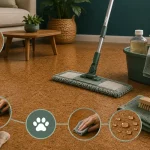
Few floors feel as warm and welcoming as terracotta. Its earthy reds, oranges and soft pinks bring a rustic, Mediterranean charm to kitchens, hallways, conservatories and patios. With the right care, a terracotta floor can last for generations and grow more beautiful with age.
The name comes from the Italian word for “baked earth.” Terracotta tiles are made from natural clay that is shaped, dried and fired. Unlike glazed ceramic or porcelain, most terracotta is unglazed and fired at lower temperatures. That leaves the clay full of tiny pores.
Those pores are the key to everything. They let terracotta absorb water, oil, wine and even cleaning chemicals. A spill that would wipe off a porcelain tile can soak into terracotta and leave a lasting mark. The wrong cleaner can strip the sealer, dull the color or cause white patches.
That is why knowing how to clean terracotta tiles properly matters. Good cleaning habits:
- Stop dirt and grit from grinding into the surface
- Protect the sealer that keeps stains out
- Preserve the natural color and patina
- Save you the cost of professional restoration later
This guide covers everything you need: the right tools and products, daily and deep cleaning steps for this flooring in Dubai, how to remove stubborn stains, what to avoid, and how to protect your floor for the long term.
Before You Start: Is Your Terracotta Sealed?

The first step in cleaning terracotta floors is finding out whether they are sealed. This decides how much water and which products you can safely use.
Try the water drop test. Put a few drops of water on a clean tile and wait about a minute.
- Water beads on the surface: the sealer is working. Normal cleaning is safe.
- Water soaks in and darkens the clay: the tile is unsealed or the sealer has worn away. Clean gently with minimal water, and plan to reseal soon.
Also check for wax. A floor with a soft sheen that scuffs or smears may have a wax finish, which needs slightly different care.
Tools and Cleaning Products You’ll Need

You don’t need expensive equipment. A few simple, gentle tools will handle almost every job.
Everyday Tools
- Soft-bristled broom or dust mop to lift grit without scratching
- Vacuum with a soft brush head (avoid beater bars and hard plastic heads)
- Flat microfiber mop that traps dirt instead of pushing it into the grout
- Two buckets, one for cleaning solution and one for rinse water
- Soft microfiber cloths for drying and spot cleaning
Deep Cleaning Tools
- Medium-bristled scrub brush (nylon, not wire) for textured or rustic tiles
- Small grout brush or old toothbrush for joints
- Wet-dry vacuum (optional) to lift dirty water quickly on large areas
Cleaning Products
- pH-neutral terracotta floor cleaner or a neutral cleaner made for natural stone and unglazed tile. This is your everyday product.
- Specialist intensive cleaner for unglazed tile, used only for deep cleans and greasy build-up
- Absorbent poultice powder such as kaolin clay or diatomaceous earth, for drawing out deep stains
- Impregnating (penetrating) sealer made for terracotta, for resealing
Always read the label and test any new product on a hidden tile first. Terracotta varies a lot between makers and ages, so a quick test can prevent costly mistakes.
How to Clean Terracotta Tiles: Daily and Weekly Routine

Regular light cleaning is the best way to keep terracotta looking good. It stops dirt from building up and saves you from heavy scrubbing later.
Daily Cleaning (2–5 minutes)
- Sweep or vacuum. Use a soft broom or a vacuum with a brush head. Focus on entrances and kitchen areas where grit collects.
- Let mud dry first. If someone tracks in wet mud, let it dry, then sweep it up. Wiping wet mud can push it into the pores.
- Wipe spills straight away. Blot liquids with a dry cloth. Don’t rub, as rubbing spreads the spill.
Weekly Mopping
- Sweep thoroughly first. Any grit left behind will scratch the surface when you mop.
- Mix your solution. Dilute a pH-neutral terracotta floor cleaner in warm water, following the label. Don’t add extra; more product leaves a sticky film.
- Wring the mop well. The mop should be damp, not dripping. Too much water can soak into grout and unsealed clay.
- Mop in small sections. Work from the far corner towards the door so you don’t walk on wet tiles.
- Rinse if needed. If the cleaner’s label says to rinse, go over the floor with a mop dampened in clean water.
- Dry the floor. Buff with a dry microfiber cloth or mop, or let it air dry with good ventilation.
Change your cleaning water as soon as it looks cloudy. Dirty water simply moves grime around and leaves a dull haze.
Outdoor Terracotta
Sweep patios regularly and remove fallen leaves, berries and twigs quickly. Left in the damp, they can leave brown tannin stains. A few times a year, wash the area with a hose, a stiff (non-wire) broom and a cleaner suitable for outdoor terracotta.
How to Deep Clean Terracotta Tiles: Step by Step

Even with good daily care, terracotta floors need a deep clean from time to time. Most homes benefit from one every few months, or when the floor looks dull, grubby or patchy. Older floors with years of built-up grime may need it more urgently.
- Clear the room. Move furniture, rugs and mats so you can reach every tile.
- Dry clean the floor. Sweep and vacuum carefully, including corners and along skirting boards. Loose grit acts like sandpaper once you start scrubbing.
- Test your cleaner. Apply a little of your intensive cleaner to a hidden tile. Wait for it to dry and check for color change or dull patches.
- Dilute and apply. Mix the cleaner with warm water as the label directs. Work in small sections of about one to two square meters. Spread the solution evenly.
- Let it work. Leave the solution for the time stated on the label, often 5–10 minutes. Don’t let it dry on the surface.
- Scrub. Use a nylon scrub brush in small circles. Pay extra attention to grout lines, edges and high-traffic paths.
- Remove the dirty water. Lift the solution with a wet-dry vacuum, a mop or old towels. Don’t leave dirty water to soak back into the clay.
- Rinse thoroughly. Mop the area with clean water at least once, changing the water often. Leftover cleaner can attract dirt and leave a film.
- Dry and ventilate. Buff with microfiber cloths, open windows and keep foot traffic off the floor until fully dry.
- Check the sealer. Once the floor has dried for a day or two, repeat the water drop test. A deep clean is the ideal time to reseal if water no longer beads.
Deep Cleaning Rustic or Handmade Tiles
Rough, handmade terracotta has more texture for dirt to hide in. Use a brush rather than a mop for both washing and rinsing, and work in smaller sections. Take your time on the low spots and uneven edges.
How to Remove Stubborn Stains from Terracotta

The sooner you treat a stain, the easier it is to remove. Always identify the stain first, as different marks need different methods. Start with the gentlest option and only step up if needed.
Oil and Grease Stains
Cooking oil and grease are common in kitchens. Fresh spills should be blotted at once, then cleaned with a neutral cleaner.
For older stains, use a poultice:
- Mix an absorbent powder (kaolin clay or diatomaceous earth) with a little water or a cleaner suited to grease, until it forms a thick paste.
- Spread it over the stain about 5 mm thick, slightly wider than the mark.
- Cover with cling film and tape the edges. Poke a few small holes in it.
- Leave for 24–48 hours while the paste dries and draws the oil out.
- Scrape off gently with a plastic scraper, rinse and dry.
Deep stains may need two or three applications.
Wine, Coffee, Tea and Food Stains
Blot right away. Then clean the spot with a neutral cleaner and warm water. If a mark remains, apply a poultice made with water. Some people use a little diluted hydrogen peroxide for organic stains, but it can lighten the clay, so test it on a hidden tile first.
White Haze and Efflorescence
White, powdery patches are often efflorescence. This happens when moisture moves through the tile and leaves mineral salts on the surface. It is common on new floors and on tiles laid over damp bases.
- Brush the salts off with a dry, stiff brush and vacuum them up. Don’t wet the area, as water dissolves the salts and pulls them back in.
- Repeat as new salts appear. They usually stop once the floor dries out.
- If the haze keeps coming back, find and fix the source of damp. Use a specialist efflorescence cleaner only if it is approved for your tile and grout.
A cloudy film can also come from too much cleaner or a failing sealer, so check those causes too.
Cement or Grout Haze
A grey film after installation is usually leftover grout. Remove it with a specialist grout haze remover made for terracotta, following the instructions closely. These products are often acidic, so protect the grout lines and rinse well. If you are unsure, ask your tile fitter.
Rust Marks
Rust stains from metal furniture or plant pots are hard to shift. Try a poultice first. If that fails, use a rust remover that is labelled safe for unglazed terracotta, and test it before use.
Old, Dirty Wax
If your floor looks dark and blotchy, old wax may have trapped dirt. A wax stripper made for terracotta will remove it. Rinse thoroughly, let the floor dry for several days, then reseal or re-wax.
Cleaning Products and Methods to Avoid

Most damage to terracotta comes from good intentions and the wrong product. Avoid these:
- Vinegar and lemon juice. Some older guides still recommend vinegar, but it is acidic. Used regularly, acids can wear down sealers and waxes, dull the surface and weaken cement-based grout. Stick to neutral cleaners.
- Bleach and ammonia. These strong household chemicals can break down sealers and may leave pale, patchy marks.
- Abrasive powders and scouring pads. They scratch the clay and wear away the protective layer. Wire brushes and steel wool are a definite no.
- All-purpose and “multi-surface” sprays. Many contain acids, solvents or strong detergents not meant for porous tile. Check the label.
- Oil soaps and generic floor polishes. They can build up into a sticky, dirt-trapping layer, unless the maker states they are suitable for terracotta.
- Steam mops. High heat and moisture can make sealers cloudy, lift wax and drive water into the clay.
- Soaking the floor. Too much water seeps into grout and unsealed tiles, causing dark patches and efflorescence.
- Pressure washers held too close. Outdoors, a jet held too near the surface can gouge soft clay and blast out grout. Keep the nozzle well back, use a wide spray and a low setting.
When in doubt, use less product, less water and a softer tool.
Terracotta Tile Maintenance: Protecting the Natural Finish

Cleaning keeps terracotta tidy. Good maintenance keeps it beautiful for decades. These habits make the biggest difference.
Seal and Reseal When Needed
Sealing terracotta tiles is the most important thing you can do to protect them. There are two main types:
- Impregnating (penetrating) sealers soak into the clay and block stains from inside. They keep a natural, matte look and let the tile breathe.
- Topical sealers and waxes sit on the surface. They add a soft sheen and richer color but wear faster in busy areas and need more upkeep.
There is no fixed timetable for resealing. It depends on the product, foot traffic and how the floor is cleaned. Use the water drop test every few months. If water soaks in instead of beading, it is time to reseal. Always reseal on a floor that is clean and completely dry, and follow the sealer’s instructions.
Stop Dirt at the Door
- Place mats inside and outside every entrance to catch grit and water.
- Shake out or wash mats often so they don’t become a source of dirt.
- Ask family and guests to remove outdoor shoes where possible.
Protect Against Scratches and Marks
- Fit felt pads to chair and table legs.
- Lift furniture when moving it; never drag it.
- Use saucers under plant pots to prevent water and rust rings.
- Avoid rubber-backed rugs, which can trap moisture and discolor the tiles.
Embrace the Patina
Terracotta naturally darkens and softens in tone over time. This patina is part of its charm, not a sign of dirt. Don’t scrub hard to make an old floor look brand new, as you risk damaging the surface. For historic or reclaimed floors, seek advice from a conservation specialist before changing the finish.
Simple Maintenance Schedule
| How often | Task |
| Daily | Sweep or vacuum; blot spills straight away |
| Weekly | Damp-mop with a pH-neutral cleaner |
| Every 1-3 months | Water drop test in high-traffic areas; wash entrance mats |
| Every few months, or as needed | Deep clean with an intensive tile cleaner |
| When water stops beading | Reseal with a terracotta sealer |
Conclusion: The Best Way to Clean and Care for Terracotta Tiles
Terracotta is a natural, porous material, so it needs gentle care. Sweep daily, mop weekly with a pH-neutral cleaner, and deep clean every few months, treating stains quickly as they happen. Avoid vinegar, bleach, abrasives and steam mops, and your terracotta floor will stay warm, rich and full of character for many years.
Frequently Asked Questions
What is the best cleaner for terracotta tiles?
A pH-neutral terracotta floor cleaner, or a neutral cleaner made for natural stone and unglazed tile, is best for routine cleaning. Keep stronger intensive cleaners for occasional deep cleans.
Can I clean terracotta tiles with vinegar?
It is best not to. Vinegar is acidic and, used regularly, can wear down sealers and waxes, dull the surface and weaken grout.
How do I make old terracotta tiles look new again?
Deep clean the floor, strip any old, dirty wax with a terracotta stripper, and let it dry fully. Then apply a fresh sealer. This restores much of the depth of colour while keeping the natural character.
How can I make terracotta tiles shine?
After sealing, apply a wax or satin finish made for terracotta. An impregnating sealer alone gives a natural matte look.
Can I use a steam mop on terracotta?
It is not recommended. The heat and moisture can damage sealers and wax, and push water into the clay.