Flooring is an integral part of any space. Whether you have standard or luxury flooring, a single scratch can ruin its appearance. Further, furniture dragging and worn flooring leave negative impressions on guests. However, maintaining and repairing flooring is not costly. Rather, it’s an affordable and DIY friendly option to revive the damaged flooring. Here is the list of the most common ways to protect your flooring from scratches and dents.
Why Floor Scratches Happen
Floor scratches happen due to daily wear and tear. Further, improper maintenance and structural pressure lead to dents and scratches. In high-traffic areas, the protective layer wears down, leaving vulnerable scratches. Further, continuous walking diminishes the shine of the flooring. In addition, humidity creates visible damage and cracks in the wood. Moreover, tiny sand particles grind against finishes, leaving microscopic scratches behind.
Pushing and dragging heavy furniture results in clear and visible scratch marks on the floor. Also, pets, especially dogs, can cause scratches on laminate and wood flooring. The most common reason is high heels, which cause dents and scratches that need repair.
Types of Flooring And Their Vulnerability
An understanding of different types of flooring is necessary before you move towards repairing the scratches. We have listed down common flooring types and their vulnerabilities to scratches.
Hardwood Flooring

This flooring can easily be damaged by pet claws and high heels. Hardwood is susceptible to moisture, which leads to warping and cupping. Further, this flooring gets damaged easily through furniture dragging. For the hardwood floor protection and to minimize scratches, use wax pens.
Laminate Flooring

They are scratch-resistant flooring, but not scratch-proof. Which is why, if damage occurs in the wear layer, that needs a total replacement. Laminate flooring can warp and swell in accumulated water. An aluminum oxide-coated laminate perfectly resists scratches and dents.
Tile Flooring

It is highly durable and resistant to scratches. But tile grout lines can easily become torn, cracked, and stained over time. Regardless of scratch resistance, these tiles can be brittle under high impact.
Vinyl Flooring

Unlike hardwood flooring, vinyl flooring is moisture-proof, but soft enough to get scratched by a sharp object. They are ideal for moist spaces, such as basements and bathrooms.
Flooring Comparison Table
| Flooring Type | Floor Vulnerability | Best Feature |
| Hardwood | Scratch | Refinishable |
| Laminate | Water Damage | Scratch-Resistant |
| Tile | Grout Wear | Durability |
| Vinyl | Denting | Waterproof |
Simple And Effective Ways To Protect Your Floors
Floor protection is necessary to visually enhance the look of the space where you live. Various methods are available to guard the floor against scratches.
Use Furniture Pads
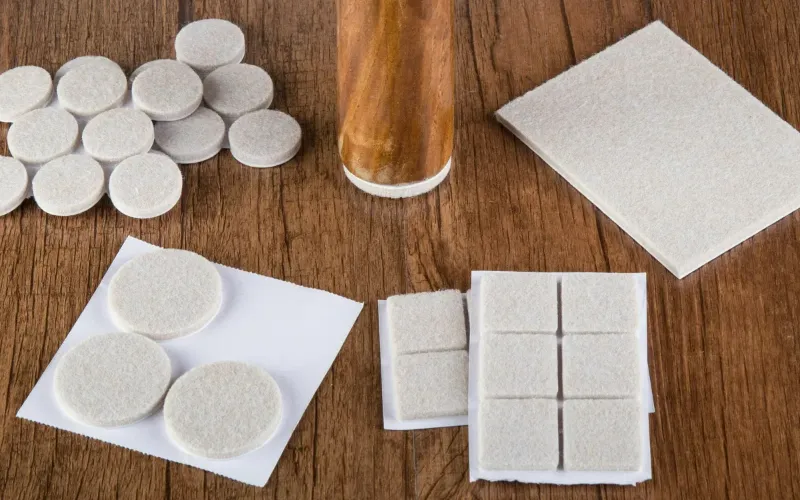
Furniture dragging causes clear and visible marks on the floor. That needs to be eliminated, as it has become the main reason a floor looks ugly. To address this issue, place felt pads under furniture legs. The best furniture pads for hardwood floors are felt pads.
It works as a soft barrier, preventing scuffs and scratches. They protect furniture from dragging noise, and prevent flooring from scratching and dents. In addition, adhesive-backed and nail-on felt pads offer greater resistance than standard ones. For long-term results, maintain these felt pads and keep them dust-free to sustain their functionality.
Add Rugs And Mats
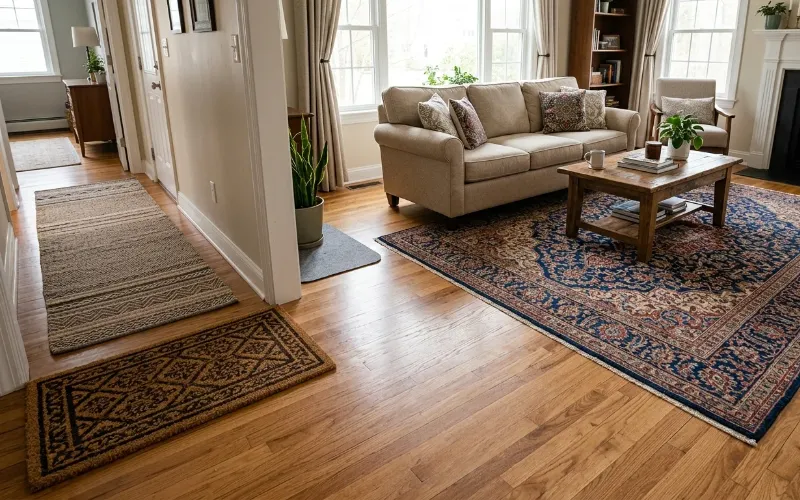
Adding a rug is an excellent way to avoid foot scratches and dust buildup. You can place a coarse mat outside the home to prevent dirt from entering. Placing it inside will provide floor protection. Use a single-door policy; it will prevent dust and make cleaning easier. Further, for high-traffic areas, choose rubber, propylene, and nylon mats.
In addition, choosing a low-pile carpet would help prevent dirt. To protect the floor from dust, moisture, and damage, place mats at the front and back doors and at the entrance. Place rugs in the hallway, corridor, and kitchen. The addition of a rug acts as a protective layer against debris and scratches.
Keep Floors Clean
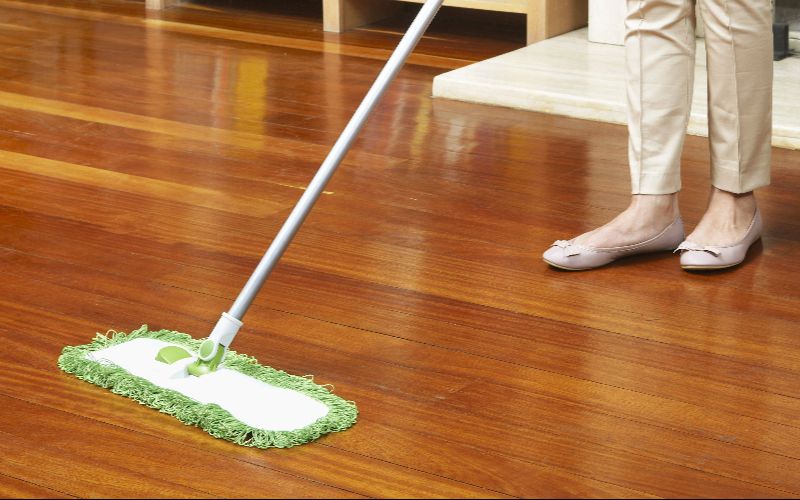
Flooring can be damaged through accumulated sand or dust, which works as a scrubber, causing marks on the floor. That is why regular cleaning can eliminate this risk of floor damage. You should vacuum the floor daily and sweep regularly. Further, regular vacuuming prevents accumulated dirt from acting like sandpaper and damaging the floor.
Also, try to remove tiny dust particles before sweeping. To avoid damaging the hardwood floor, use a soft broom. You should use microfiber mops, as they remove 99.5% of dust. While a cotton mop only remove 67% of that. A dry microfiber cloth can easily trap pet hair and tiny dust particles. Besides, wet mopping collects debris instead of spreading it.
Trim Pet Nails

Pets love to scratch everything, whether its carpet, flooring, or furniture upholstery. It’s their habit to scratch. You need to protect your flooring from scratches when trimming your pet’s nails. After 2 to 4 weeks, you should cut their nails. Because once they develop their nails, they start scratching again.
To trim pet nails, use a scissor-style cutter. Or you can use a pet nail grinder to remove nail edges. After a bath, you can trim and file their nails. Rather, you can install a scratch post to avoid continuous floor scratching and damage. Another option is to cover pet nails with a silicon nail cap. In this way, you can prevent scratches on the floor.
Avoid Dragging Furniture

Dragging furniture, especially heavy pieces, leaves visible marks on the floor. To protect floor from furniture dragging, take someone’s help to transfer furniture to another place. You should empty the drawers and cabinets before shifting furniture to a new place. Secure the cabinet door and drawers with tape to prevent them from falling.
Before moving heavy furniture, disassemble it; this reduces weight and makes it easier to carry. To maintain its weight, keep the furniture close to your body. In the future, if you need to push furniture, instead of pulling, which requires less gravity. Add sliders with soft fabric that prevent scratches on furniture.
For a safer furniture transfer, lift the corner of the furniture and place the slides under its legs. In case you do not have a slider, use a blanket or towel to reduce friction and scratches. You can use a dolly to move heavy-duty furniture to another location.
How To Fix Minor Scratches
Minor flooring scratches can be revived through DIY methods and specialized kits. Here are some effective ways to eliminate scratches from flooring.
- Wooden repair kits are available in the market that remove visible scratches and give a new look to the flooring.
- Rubbing a walnut on scratches helps fill the gaps, cover scratch marks, and give a shiny surface.
- Take a ⅓ mixture of olive oil and vinegar, and remove visible scratch marks from wood in no time.
- For dark wood, take instant coffee and apply it over the stained and scratched surface; you will see the marks gone quickly.
- Apply the same wood-color crayon or wax over the affected area, and wait for the result.
- You need to apply hard paste wax over shallow marks, which will quickly vanish them.
Wrapping Up
Floor protection is necessary to enhance its lifetime. Through daily vacuuming and sweeping, you can protect your carpet from long-standing scratches. Regular upkeep and effective flooring protection methods prevent scratches. This guarantees a tidy-looking floor and a long-lasting result for years.
We have devised several proactive measures to prevent scratches and damage to your luxury flooring. This includes adding furniture pads, cutting pet nails, and installing rugs. Further, you should avoid dragging furniture, which can leave visible marks on the floor. By following all the preventive measures provided, you can achieve high-end flooring with no scratches.